Italy with Christine - May 2026
Rome to Naples • Lazio & Campania Regions • May 2026
Every trip I make to Italy leaves me with something new — a new story, a new favourite meal, a hidden street I somehow never noticed before, or a conversation that stays with me long after I return home. I recently travelled the Rome to Naples corridor experiencing the regions of Lazio and Campania, with Fondi serving as our home base throughout the trip. While many travellers rush between Rome, Florence, Venice, and the Amalfi Coast, this stretch of Italy offers something far more personal and authentic: real day-to-day Italian life.
One of the highlights of this trip was the freedom of having a rental car while exploring the smaller towns and coastal areas between Rome and Naples. Driving through this region is surprisingly manageable, especially once outside the major cities. The roads connecting towns like Fondi, Terracina, Sperlonga, Gaeta, and Monte San Biagio are scenic and relatively easy to navigate. The drive itself becomes part of the experience, with views of olive groves, mountains, seaside cliffs, and historic hill towns appearing around every turn.
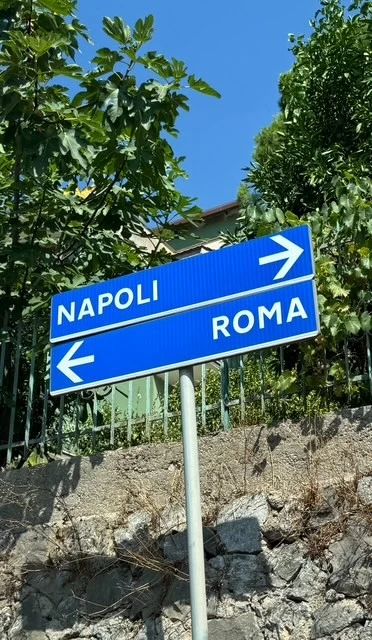
However, while driving is ideal for the smaller communities and countryside, trips into major cities such as Rome and Naples are much better done by train. Traffic in both cities can be intense and unpredictable, especially for visitors unfamiliar with Italian driving habits and city layouts. This is from first-hand experience because we tried driving in Rome on a past visit and it was the most anxiety ridden experience we could imagine. Parking is another major challenge. Spaces are limited, expensive, and often difficult to locate. Taking the train eliminates the stress entirely, allowing travellers to relax and enjoy the experience instead of worrying about navigating crowded streets or finding parking garages. Italy’s rail system, as it typically is throughout Europe, is efficient, affordable, and well connected, making it the smartest option for day trips into the larger urban centers.
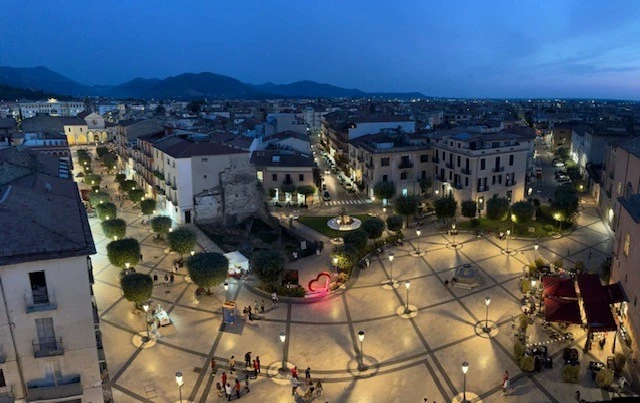
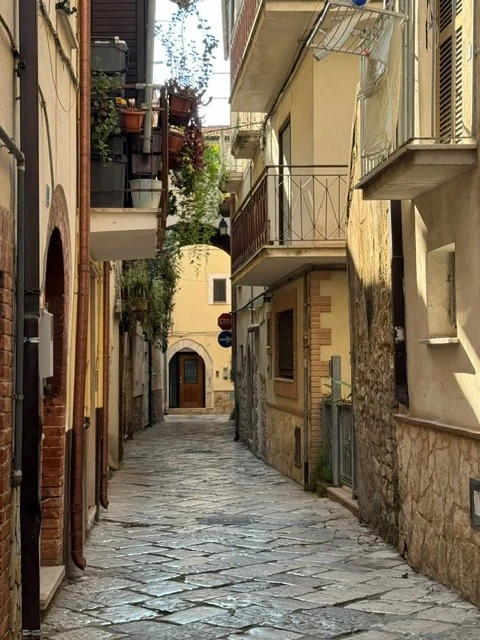
We chose Fondi as our base for this trip since we have family and friends here. Located conveniently between Rome and Naples, Fondi dates back to Roman times and later became an important fortified town during the Middle Ages due to its strategic location between the Papal States and the ‘Kingdom of Naples’. The Baronial Castle in Fondi still dominates the historic center, and the old streets preserve much of their original character. The surrounding countryside is known for agriculture, particularly olives, vegetables, and local cheeses, all of which play a major role in regional cuisine. Fondi is also historically known as a Roman trading post on the Appian Way – one of the most famous roads of the ancient Roman Republic and where one of the most celebrated stretches still exists between Fondi and the neighboring town of Itri. Today Fondi is an agricultural hub with one of the largest fruit and vegetable markets in Europe and it provides easy access to beaches, historic sites, and nearby coastal destinations while maintaining a distinctly local atmosphere. Unlike heavily touristed destinations, Fondi feels lived in. Markets bustle with residents shopping for fresh produce, cafés are filled with locals and evenings are spent walking the piazzas in the traditional passeggiata, an evening walk deeply rooted in cultural tradition. Sitting in an outdoor café in the Piazza on a Friday or Saturday night, you begin to understand the importance of this tradition as it is truly an unforgettable social gathering place for everyone.
A day trip to Terracina showcased why this area is such a beloved vacation destination for Italians, especially those living in and around Rome. Located along the Tyrrhenian coast, Terracina combines beautiful beaches with authentic local energy. The waterfront is lined with beach clubs, camping resorts, hotels, seafood restaurants, and cafés, creating a vibrant atmosphere without being overly commercialized. Shopping in local shops is a favourite of mine, where it’s not unusual for a store owner to offer a fresh shot of espresso or, when asked, offering their recommendation where to find the best seafood lunch beachside. Fresh seafood is one of the highlights here. Local restaurants serve everything from grilled octopus and fresh clams to pasta dishes loaded with shellfish caught the same morning. The beaches are broad and sandy, making them ideal for families, while the nearby marina adds to the town’s coastal charm. Terracina also has deep historical roots, having once sat along the ancient Via Appia, one of Rome’s most important roads.
Monte San Biagio, located between Fondi and Terracina provides another glimpse into authentic small-town Italy. Positioned high above the surrounding plains, the town offers sweeping views of the coastline and countryside. It is quieter and less visited than many nearby destinations, which only adds to its appeal. The houses are built high and into the hills. Places like Monte San Biagio reveal the slower rhythm of life that makes this region so memorable.
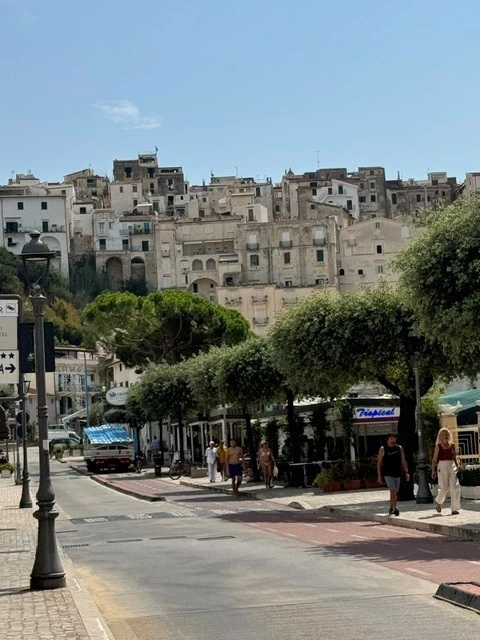
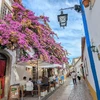
Another beach town in Lazio is Sperlonga, only minutes from Fondi, it offers a completely different but equally memorable atmosphere. Perched dramatically above the sea, Sperlonga is one of the most picturesque coastal towns in the region. Its whitewashed buildings, narrow winding lanes, and breathtaking sea views have made it increasingly popular with both Italians and international visitors. Despite its growing reputation, Sperlonga still maintains a relaxed and elegant feel. Walking through the town feels like stepping into a postcard, especially in the evening as the town glows under soft lights overlooking the Mediterranean.
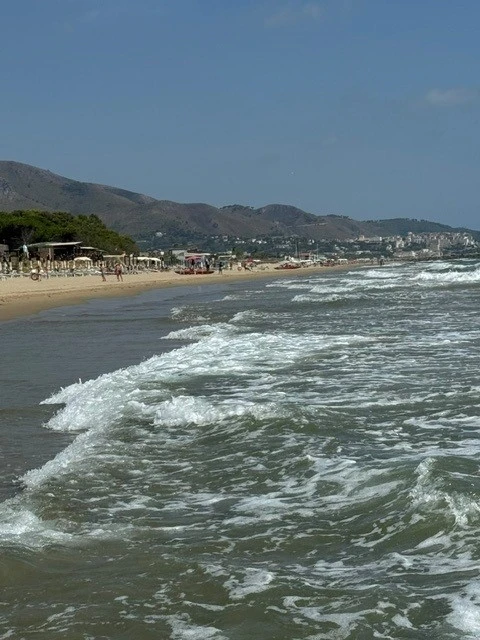
Next door to Sperlonga is the city of Gaeta. Gaeta blends history, seaside beauty, and local culture effortlessly. The city’s old quarter is filled with narrow streets, churches, and historic buildings that reflect centuries of Roman, medieval, and Bourbon influence. Gaeta is also famous for its beaches and seafood cuisine. The dramatic Montagna Spaccata (Split Mountain) and the panoramic coastal views make it one of the most visually impressive destinations in Lazio.
Driving further down into the inland Campania region, Caserta is a city based around the spectacular Royal Palace of Caserta, one of Italy’s grandest royal residences. Often compared to Versailles, the palace is massive in scale and filled with ornate halls, grand staircases, fountains, and endless gardens. Beyond its beauty, the palace reflects the power and ambition of the Bourbon monarchy that once ruled southern Italy. It is an essential cultural stop when travelling through Campania.
On this visit, Naples was one of the highlights of my trip as I had only briefly visited Naples in the past. Vastly different from Rome, Naples is situated on the seaside with Mount Vesuvius as a backdrop. The city is vibrant, chaotic, historic, and alive in every possible sense. From the narrow streets packed with scooters and cafés to the incredible architecture, churches, markets, and waterfront views, Naples demands attention from the moment you arrive. For visitors staying in the Lazio region or smaller Campania towns, Naples makes an excellent day trip. However, this is where taking the train becomes especially important. Driving in Naples, like Rome, can be extremely challenging for visitors unfamiliar with the area. Traffic is heavy, streets are narrow, parking is limited, and local driving styles can feel overwhelming. Arriving by train allows you to step directly into the heart of the city without the stress of navigating traffic or searching for parking.
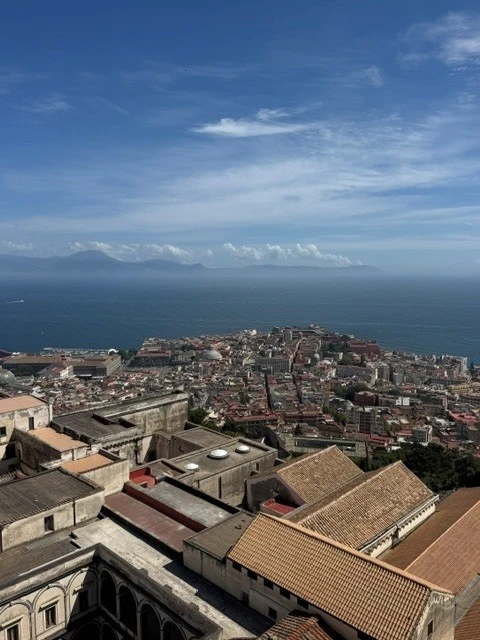
Once there, Naples enticed us with its incredible food, rich history, non-stop atmosphere and, of course, while there is no lack of different foods to try or restaurants to visit, it was a must that we stop for lunch to enjoy an authentic Neapolitan pizza while we were there. Walking the streets of Naples, we visited historic piazzas, walked along the waterfront enjoying the beautiful views of Mount Vesuvius, and simply observed the daily life around us. Naples also has a funicular offering four cable driven railways connecting low lying coastal areas to the scenic hilltop neighborhoods of Posillipo and Vomero where we visited the Castel Sant’Elmo, a Medieval Castle that provides visitors the most beautiful sweeping views over Naples. Highly recommended as a destination to visit, Naples offers an unforgettable experience. It is a city that feels raw, passionate, and deeply authentic.
A visit to Naples is not complete without mentioning Pompeii, which is located only 30 minutes away, and is a wonderful day trip when staying in this region. Easily accessible by car with good parking facilities, the Pompeii archeological site is definitely a ‘must see’ for every visitor. Various tours are available that provide visitors the history, architecture and a glimpse of what the daily Roman life of its inhabitants was like. Since I had been to Pompeii on other visits, we did not visit it this time however, Pompeii is one of many, if not the most, popular historical sites in the area.
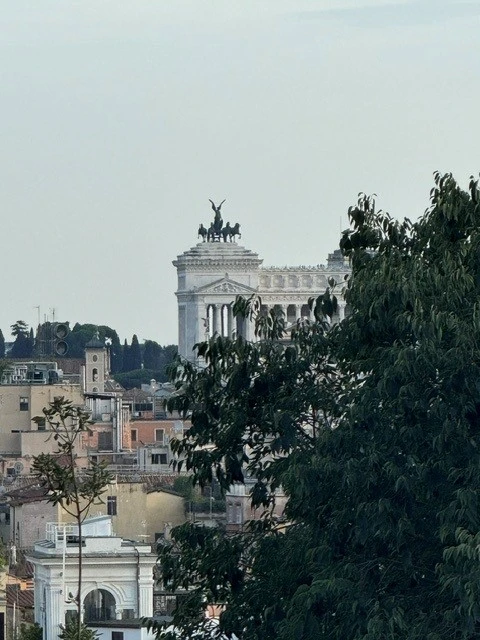
For me, it wouldn’t have been complete without a visit to Rome as well. Since I had already seen the major tourist attractions and historical sites on earlier visits, this trip was really about slowing down and enjoying Rome itself rather than rushing from one landmark to another. We took an early morning train from Fondi to Rome, enjoying the morning landscapes as we passed through the countryside. This day trip had no set plans, nowhere specific to be and no schedule to follow, just spending the day wandering through the streets stopping whenever something caught our attention. The best part of the day was simply soaking in the atmosphere — the conversations, the energy of the streets, the mix of locals and travellers all moving through the city at their own pace. It was a day to simply blend in with the locals.
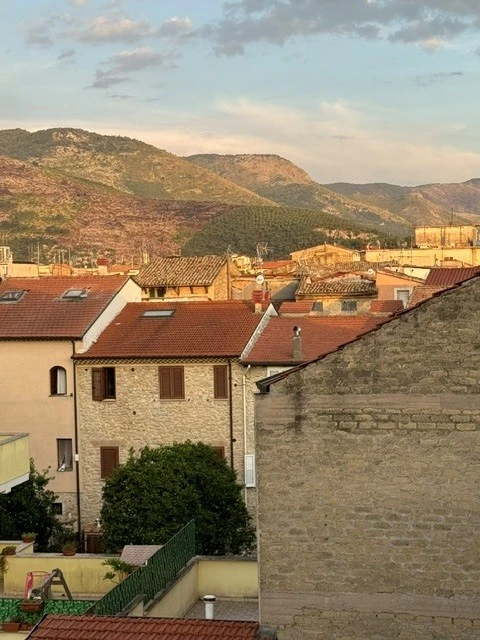
Overall, what makes the Lazio/Campania area of Italy so special is that it often remains overlooked by many international tourists. While travellers often focus on Italy’s more famous destinations, the regions between Rome and Naples offer something increasingly rare: authenticity. Here, visitors can experience everyday Italian life rather than simply observe it. This region delivers everything people imagine when they dream about Italy — beautiful coastlines, historic towns, incredible food, welcoming people, lively piazzas, and unforgettable hospitality — but without the overwhelming crowds found elsewhere. It is the kind of place where relationships matter, meals last for hours, and every town has its own traditions and personality.
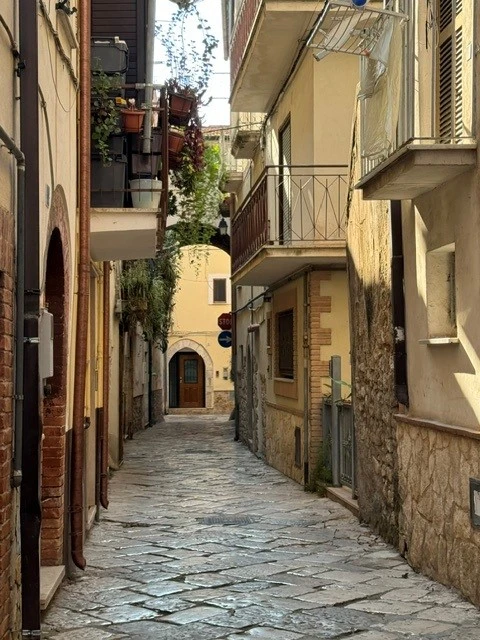
With every trip I make to Italy, there is always something new I learn and something new I see. The culture, the people, the food, and the hospitality are truly like none other. While I am fortunate to have family there, the reality is that Italians treat everyone like family. You may arrive as a visitor but somehow leave feeling connected to the place and the people. Italian hospitality is not treated like a service — it is simply part of life. And of course, no gathering is complete without hearing the words that perfectly summarize the Italian spirit: Mangia Mangia!
Featured