Costa Rica with Carole - December 2025
In December of 2025, my family and I decided to discover the magic of Costa Rica. Whether you’re seeking an adrenaline rush or deep relaxation or a little of both, this country is the ideal destination. More than a quarter of Costa Rica’s land is reserved for conservation, meaning undisturbed natural beauty is yours to enjoy. From world-class eco-attractions that draw global travelers to vibrant, art-filled cities rich with history, it is a place of endless wonder. The country even boasts an official "Blue Zone" on the Nicoya Peninsula, a region famous for its high number of centenarians who thrive on a balanced diet, active lifestyles, and strong social bonds.
To maximize our time, we flew from Vancouver (YVR) to Liberia (LIR) on a direct WestJet red-eye flight, landing fresh in the morning. Flying into Liberia was incredibly efficient; it completely bypassed the heavy traffic of San José and placed us much closer to the country’s sun-drenched beaches, dry tropical forests, and volcanic parks. This "Gold Coast & Volcano" loop allowed us to maximize our time in the sun while keeping driving distances manageable.
Because we wanted to fully experience the culture rather than constantly packing and unpacking, we deliberately chose to focus on just three main destinations. Upon arrival, we picked up a rented 4x4 SUV. This turned out to be an excellent decision, as the roads in Costa Rica can be steep, unpaved, winding, and full of character.
Destination 1: The Misty Canopy of Monteverde (3 Nights)
Our first journey took us from the Liberia Airport up into the clouds to Monteverde, Puntarenas. We checked into Cabañas La Montaña, staying in a spectacular Panoramic Tree House.
The 2.5-hour drive was highly rewarding and incredibly scenic, though the final stretch changed drastically from a smooth, flat highway to a winding, bumpy mountain road. While the infrastructure has improved significantly over the years, the climb into the cloud forest still demanded focused driving. Luckily, we tackled the drive during daylight hours, essential for avoiding the thick, blinding fog that swallows the unlit mountain switchbacks by late afternoon, and we made sure to top off our fuel tank while still on the main Interamerican Highway.
To break up the journey, we made a few incredible, low stress stops along Route 1:
Restaurante Rincón Corobici: A beautiful riverside spot where we stopped to stretch our legs and enjoy a peaceful lunch right on the water.
Catarata Llanos del Cortés: Located in Bagaces, east of Liberia, this spectacular 12-meter-high waterfall drops into a tranquil, warm pool. The shallow, sandy-bottomed pool was incredibly safe for the kids to wade in, and it features clean changing rooms, making it the perfect spot to rinse off the beach sand before taking the road to check-in at our hotel in Monteverde. Unlike other waterfalls that require grueling hikes, this was a short, easy walk from the parking lot. It was the perfect spot to cool off. For a $7 USD entry fee, we spent a wonderful hour snapping photos and wading along its sandy beach.
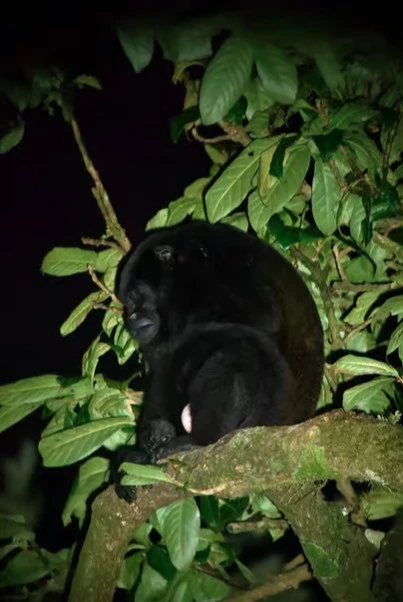
Centro de Rescate Las Pumas: A highly respected wildlife sanctuary dedicated to rehabilitating injured fauna. It cost $12 USD for adults and $8 USD for children, and the one-hour self-guided loop guaranteed us sightings of Costa Rica’s elusive wild cats, including jaguars, pumas, and ocelots, alongside vibrant macaws and playful monkeys.
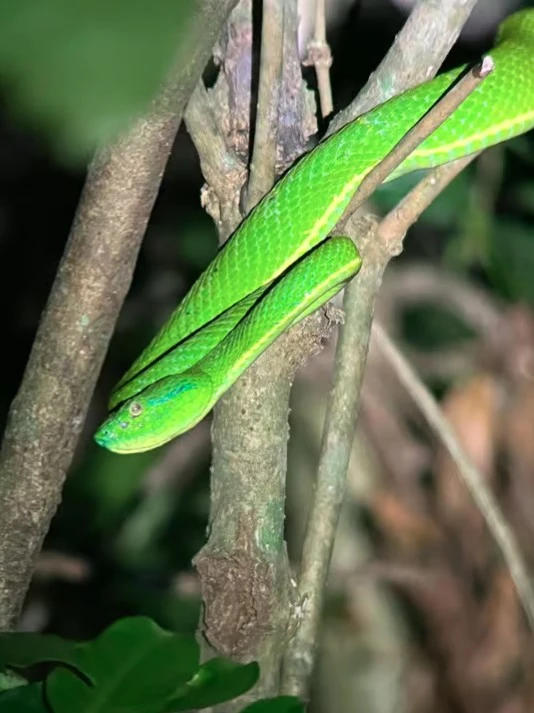
Famed for its unmatched biodiversity and refreshing mountain climate (averaging 15°C–25°C), Monteverde instantly charmed us.
Over the next three days, we fully immersed ourselves in the cloud forest:
The Reserves: We explored the iconic Monteverde Cloud Forest Biological Preserve as well as the slightly higher, less-crowded Santa Elena Cloud Forest Reserve. For birdwatching, the Curi-Cancha Reserve was an absolute must-see, where we successfully spotted the elusive, vibrant Resplendent Quetzal.
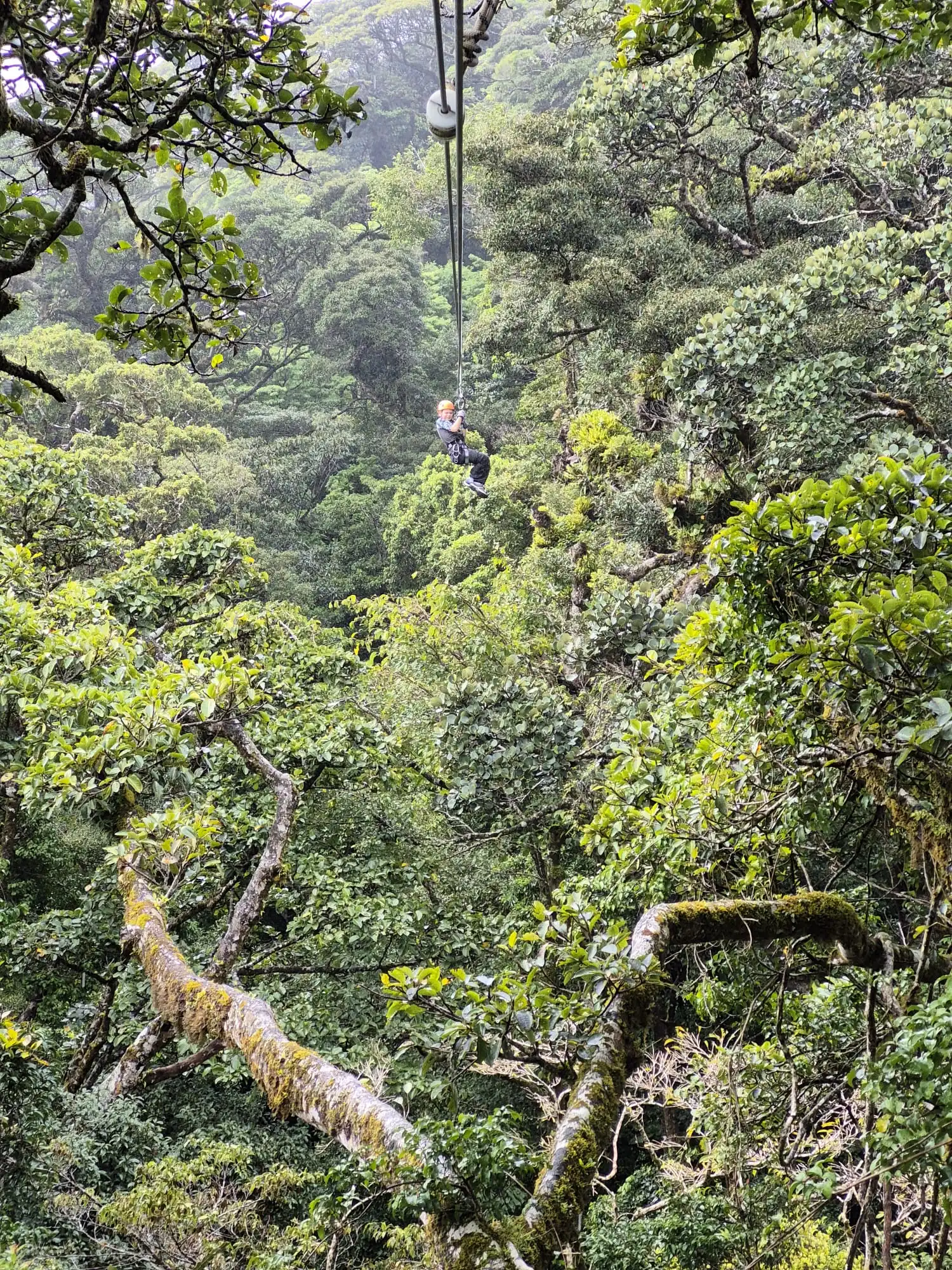
Canopy Adventures: As the birthplace of the canopy tour, Monteverde delivers high adventure. At local eco-parks like Selvatura and Treetopia, we had a blast traversing massive ziplines, suspended hanging bridges, and thrilling Tarzan swings.
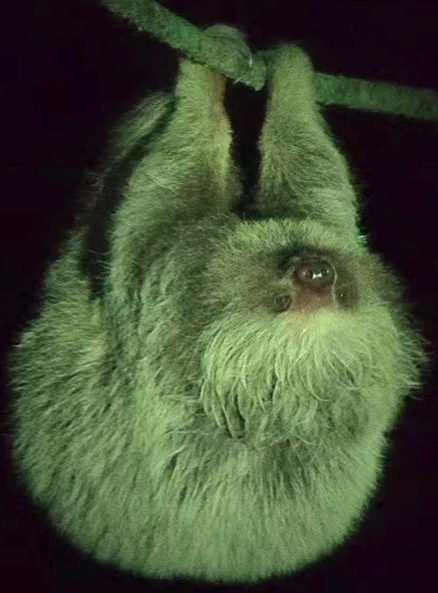
The Night Walk: Unanimously, the absolute highlight for the entire family was a guided nocturnal tour. Watching the forest come alive after dark with tarantulas, sleeping birds, and luminous insects was unforgettable.
Culture & Conservation: We toured a family-owned farm to learn about Costa Rica’s rich agricultural heritage, tasting fresh sugarcane and rich local coffee.
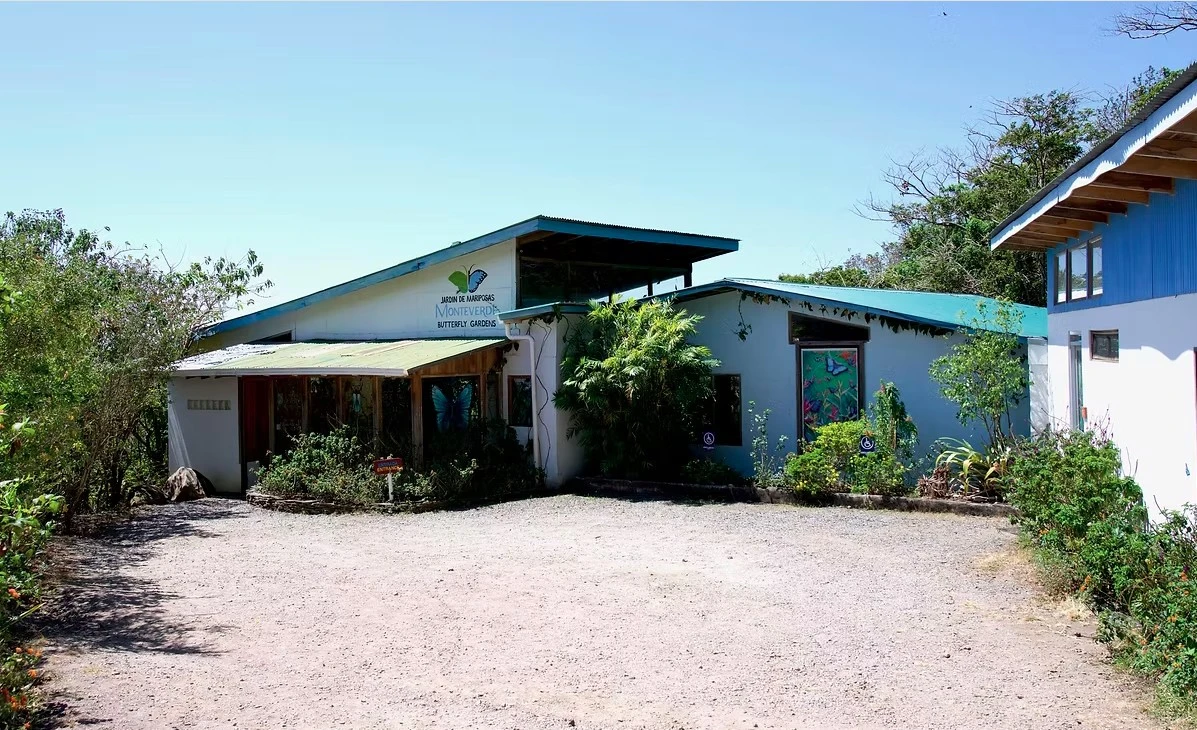
We also visited the “Jardín de Mariposas” (Butterfly Gardens), an eco-tourism staple for over 30 years. Our guided tour took us through four climate-controlled habitats housing 30 native species. Because we visited later in the day, the guides even let us release newly hatched butterflies directly into the greenhouse enclosures!
Dining: We capped off our mountain stay with drinks at The Treehouse Restaurant; a popular, whimsical spot built right around a massive, climbable Ficus tree.
Destination 2: The Tropical Wilds of Manuel Antonio (5 Nights)
Next, we transitioned from the misty mountains to the coast, embarking on a 4-to-4.5-hour drive south to Manuel Antonio, Quepos. Leaving by 9:00 AM allowed us to conquer the bumpy, winding mountain descent before any afternoon downpours hit, which was ideal for family members prone to motion sickness. The drive also brought a dramatic climate shift, dropping us from the breezy 18°C mountains straight into the humid 30°C tropical heat of the Pacific coast. Thankfully, we kept a change of shorts and t-shirts easily accessible in the main cabin of the car.
We checked into a gorgeous Private Pool Villa nestled right in the heart of Manuel Antonio for a 5-night stay.
The halfway mark of this drive offers the perfect milestone at the “Tárcoles River Bridge” (famously known as the "Crocodile Bridge"), an absolute must-stop for both adults and kids:
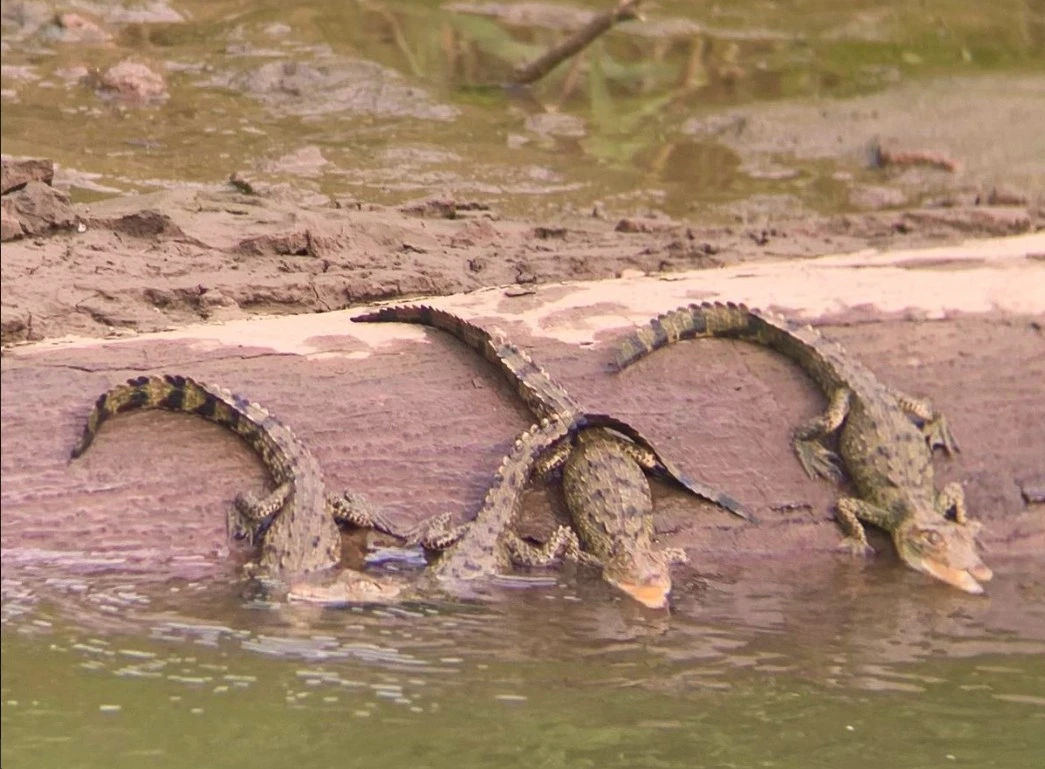
The Crocodile Experience: After parking safely by the local shops, we walked onto the pedestrian sidewalk of the bridge and looked down to see dozens of massive, 15-foot American crocodiles sunbathing on the riverbanks. To make the most of the aera, we opted for an incredible 2-hour jungle crocodile safari and birdwatching boat tour.
Roadside Refuels: For a quick lunch break along the way, some of us stopped at “Restaurante y Mariposario My Time”, while others grabbed fresh fruit smoothies and a traditional Costa Rican “Casado” (a plate of rice, beans, and plantains) at the casual “Restaurante Nativa” right near the bridge.
Local Treats: Others in the family preferred “El Toledo Coffee” and the roadside fruit stands. Once we hit the flat coastal highway (Route 34), we couldn't resist stopping to buy fresh mangoes and “pipas frías”, a cold, refreshing coconut water drunk straight out of the shell with a straw.
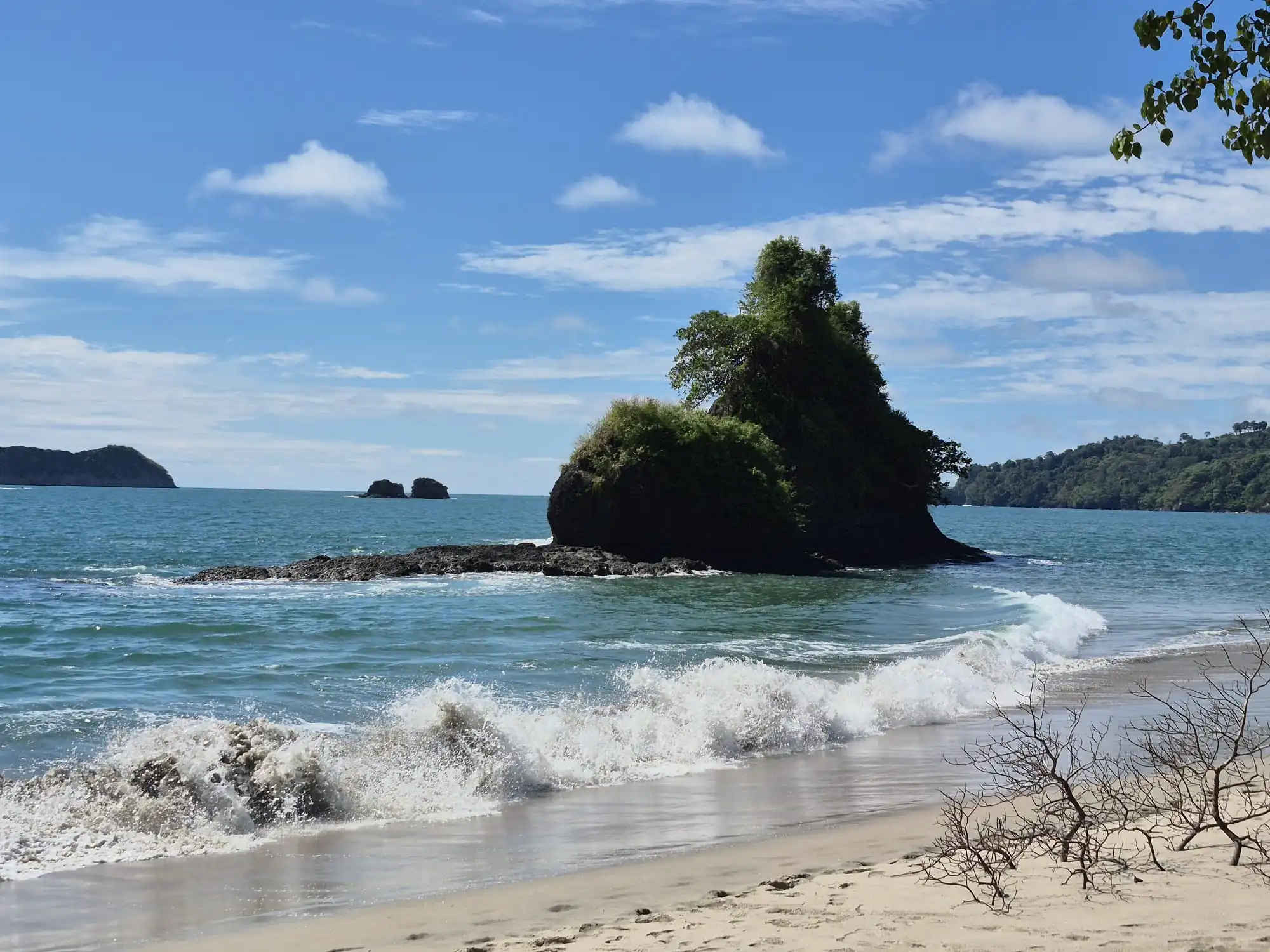
Manuel Antonio perfectly combines tropical beach relaxation with raw eco-adventure, famous worldwide for its pristine white-sand beaches and lush rainforests. Our days on the coast were packed with unforgettable coastal and wildlife experiences:
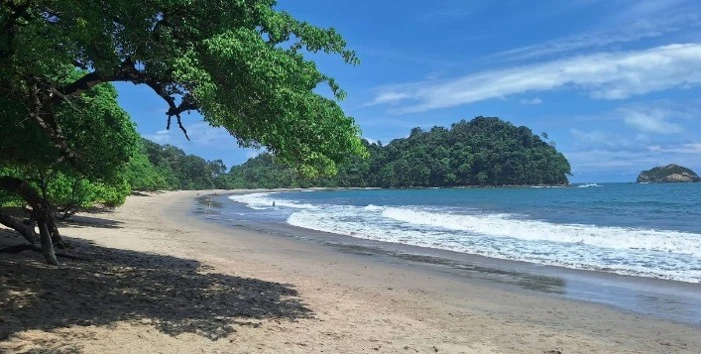
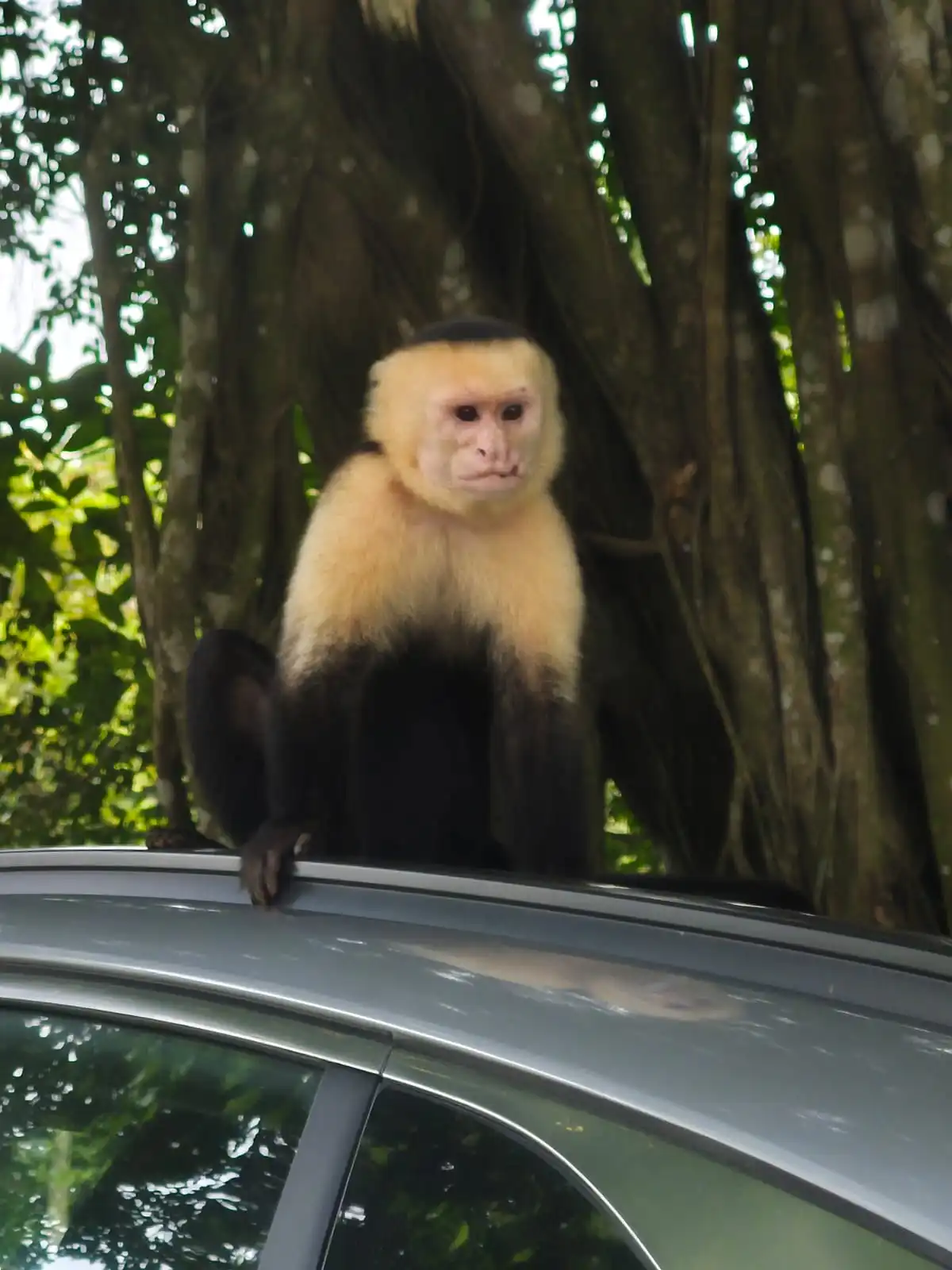
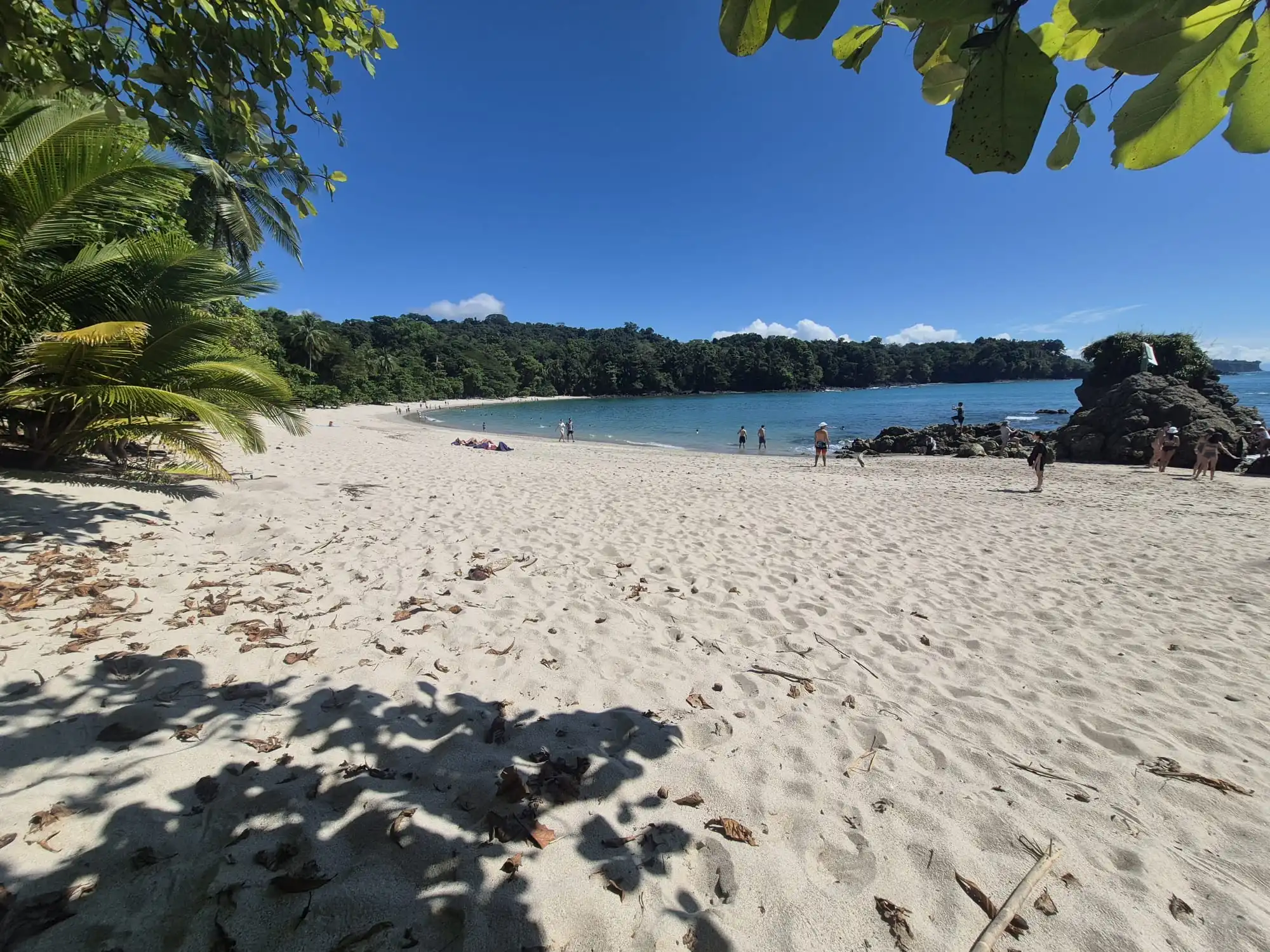
Manuel Antonio National Park: We hiked the easy, scenic trails inside the reserve, which made it incredibly easy to spot three-toed sloths and capuchin monkeys before we wound down on the park's pristine, protected beaches.
Espadilla Beach: Located just outside the national park entrance, this vibrant main public beach was our go-to spot for surfing, parasailing, and simply relaxing on the sand.
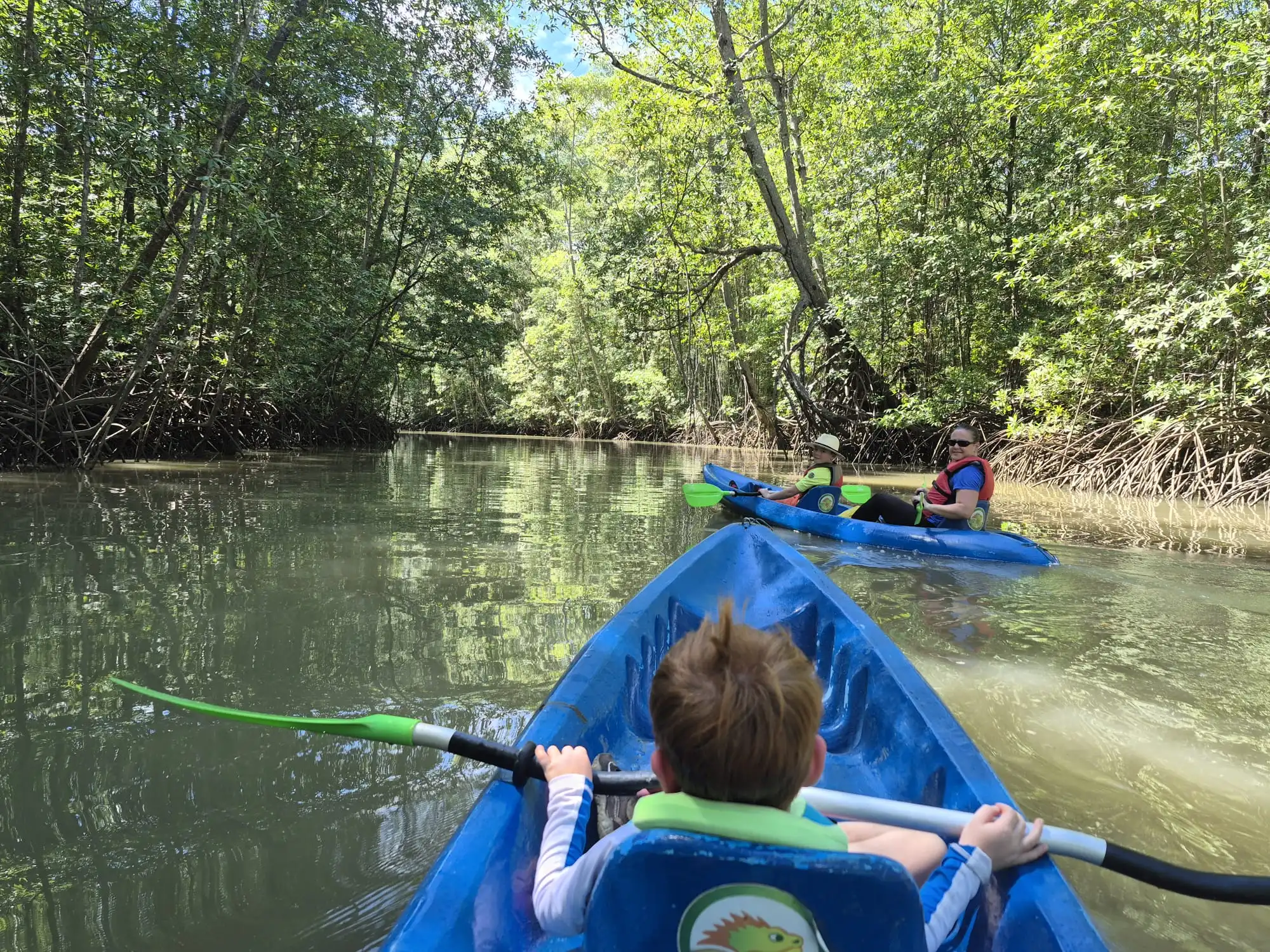
Damas Island Mangrove: Given the choice between renting kayaks or paddleboards, we opted for kayaks. We paddled through the calm, protected estuary waters, which allowed us to get up close with rare birds, silky anteaters, and even boa constrictors.
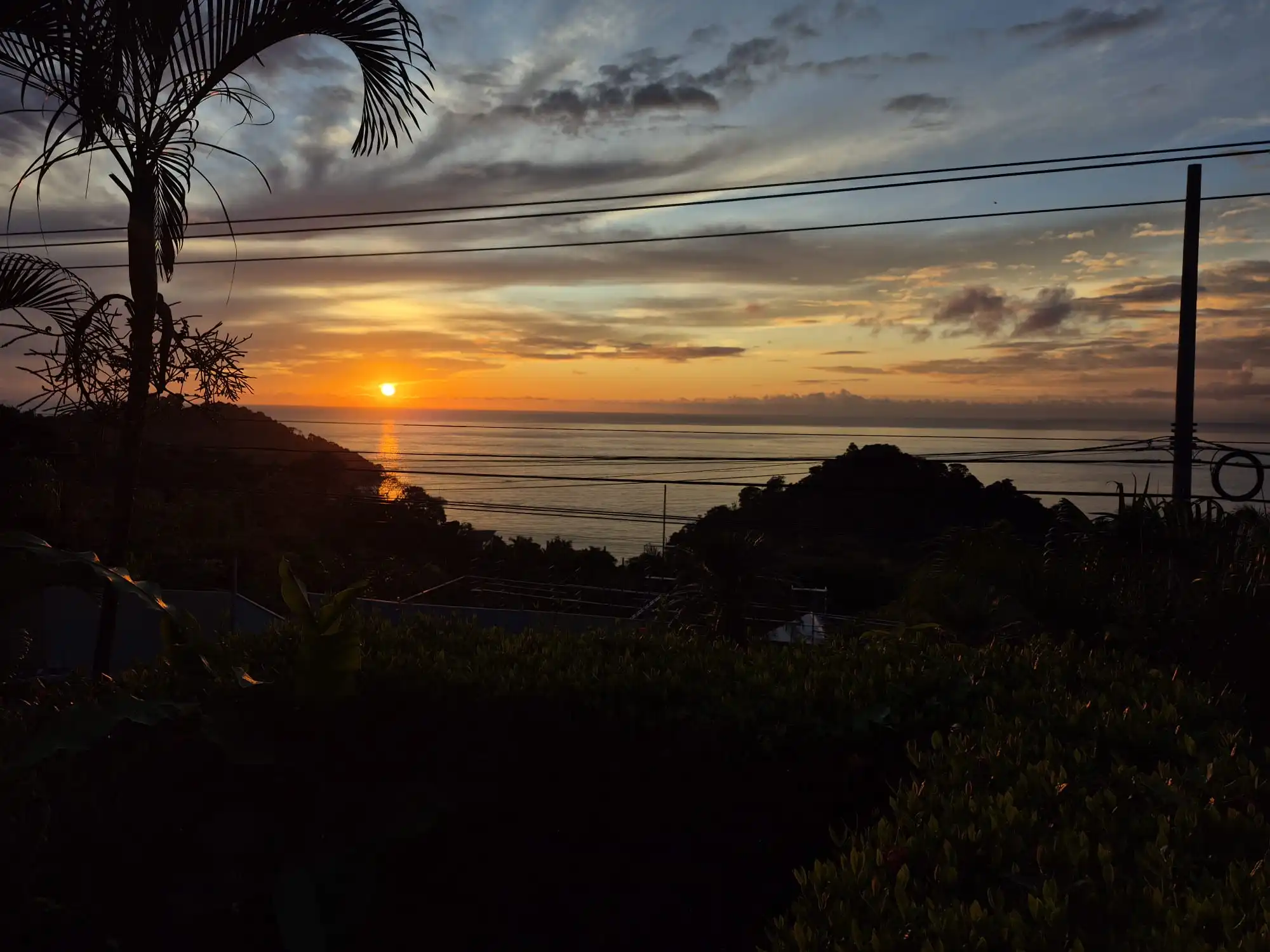
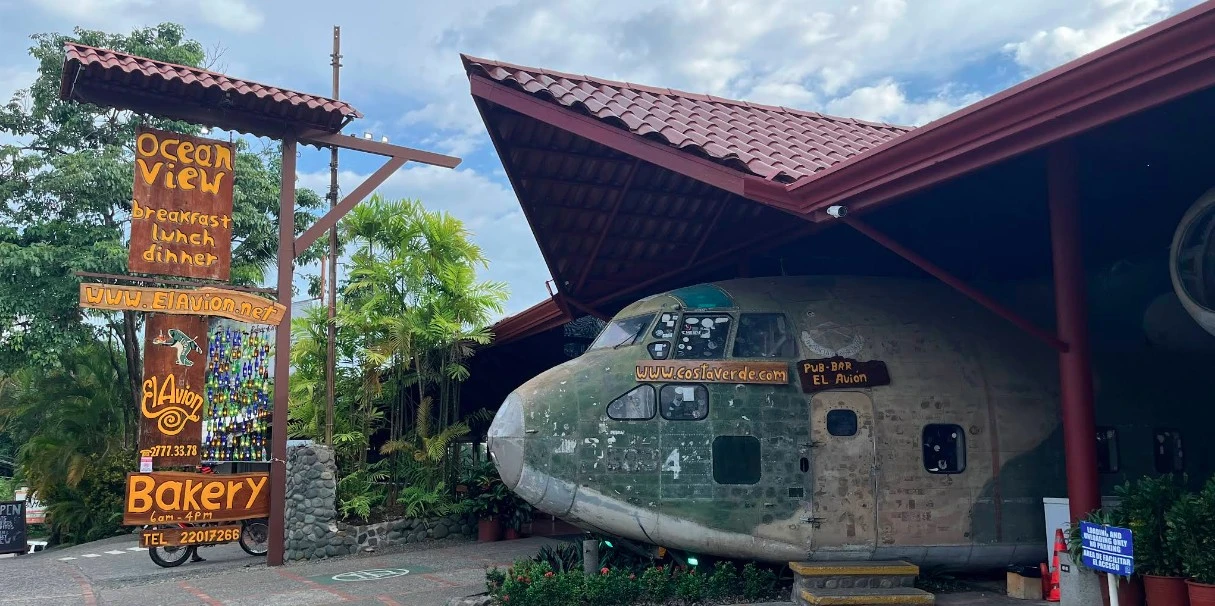
Dining at El Avión: A unique culinary highlight was having dinner between Quepos and Manuel Antonio at the famous “El Avión Restaurant”. Perched high on a cliffside along the main road (Route 618), this lively, multi-level open-air bar and restaurant is uniquely built inside and around a massive, historic 1954 Fairchild C-123 Provider cargo plane linked to the Iran-Contra affair. The ocean views here at sunset were spectacular.
Essential Visitor Tips We Learned Along the Way
Book Park Tickets Early: The National Park strictly limits daily visitors to protect the delicate ecosystem. It is vital to secure entry passes weeks in advance via the official SINAC portal.
Mind the Closures: Keep in mind that Manuel Antonio National Park is traditionally closed to the public on Tuesdays.
No Plastic or Outside Food: Single-use plastics and outside food items are strictly prohibited inside the national park boundaries to prevent wild animals from foraging and getting sick.
Hire an Official Guide: Certified local guides carrying professional spotting scopes stand right outside the park entrance. Hiring one dramatically increases your chances of spotting well-camouflaged wildlife that you would otherwise miss.
Destination 3: The Peaceful Bays of Sámara & Playa Carrillo (5 Nights)
Our final journey transitioned our family from the active, jungle-lined coast of the Central Pacific to the sun-drenched, incredibly kid-friendly bays of the Nicoya Peninsula. We drove about 5 to 5.5 hours (approximately 270 km) from Manuel Antonio to the Sámara and Playa Carrillo area, breaking up the trip with a beautiful 1-hour and 40-minute ferry ride from Puntarenas to Cabo Blanco. We checked into the Montelaguna Boutique Hotel for five more incredible nights.
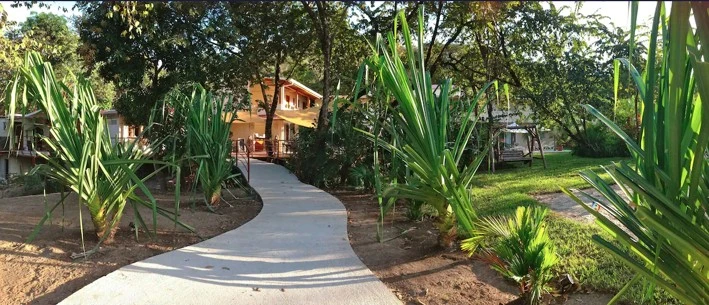
Because of their calm, reef-protected waters, Sámara and neighboring Playa Carrillo are widely considered two of the safest, most perfect family beaches in the entire country. The ecosystem here is completely different from what we discovered in Manuel Antonio, trading the dense rainforest for a dry tropical forest that was excellent for spotting howler monkeys and even unique local porcupines.
The two beaches sit right next to each other, just a 5-minute drive apart, but offer totally different, highly complementary vibes:
Playa Sámara (The Fun Hub): Sámara features a wide, gentle horseshoe bay with small, rolling waves, making it perfect for the little kids to splash safely and the older kids to try a beginner surf lesson. The vibrant town center sits right on the sand, meaning we could walk directly from the beach to family-friendly pizzerias and ice cream shops. Unlike Manuel Antonio, where wildlife restrictions ban outside food, we loved that we could freely bring coolers, beach toys, and picnics right onto the sand here.
Playa Carrillo (The Natural Paradise): Located just south, Carrillo is a pristine, palm-lined beach with absolutely zero building development on the sand. A massive offshore reef blocks the ocean swells, turning the water into a flat, crystal-clear, pool-like playground. It was ideal for a quiet family beach day; we just had to remember to pack our own snacks and drinks, as there are no shops directly on the shore.
While here, we filled our days with some very cool local adventures:
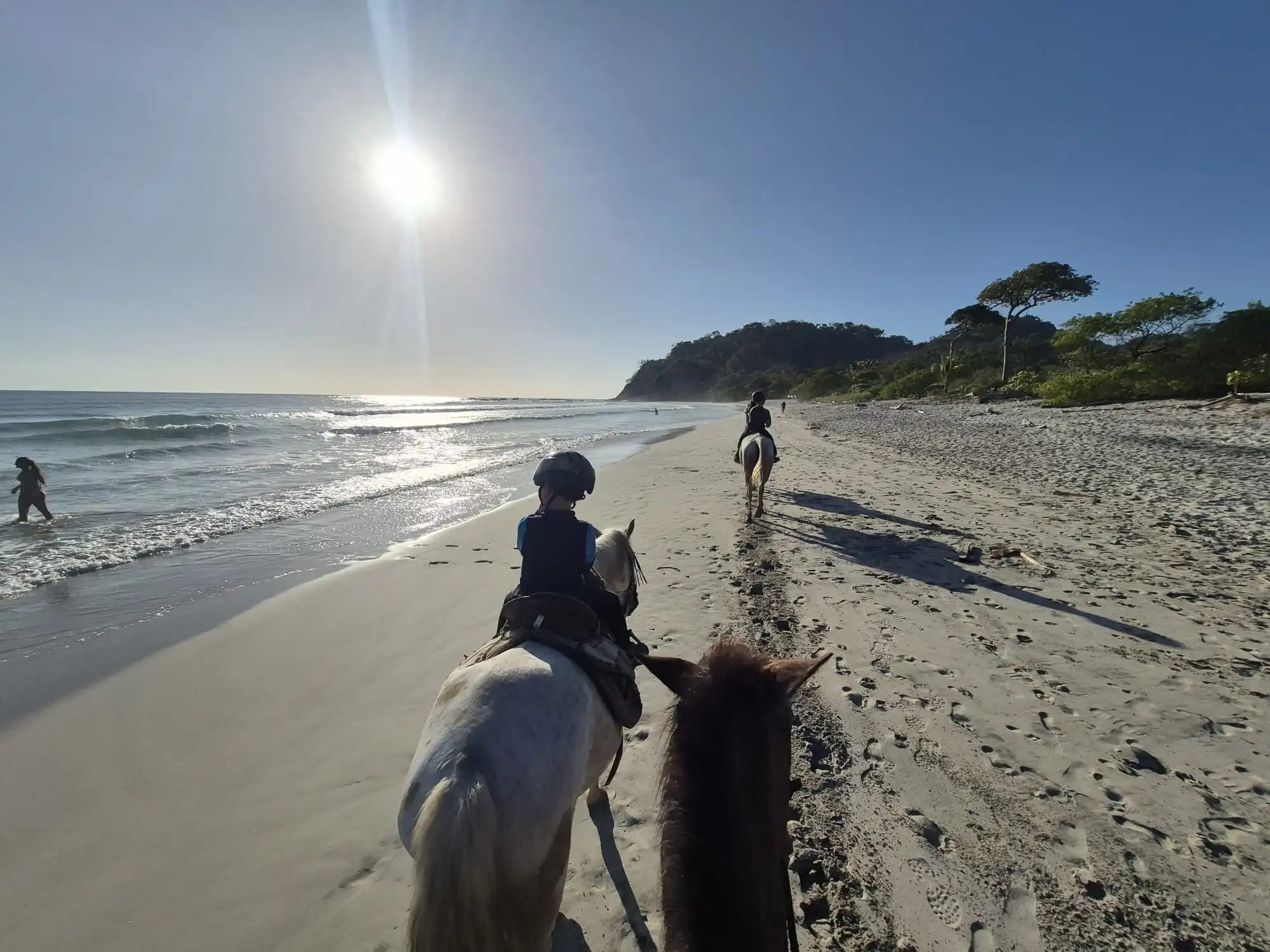
Shoreline Horseback Riding: We booked a tour with a local outfitter for a calm, guided horseback ride right along the shoreline. It was a magical experience that catered beautifully to all ages.
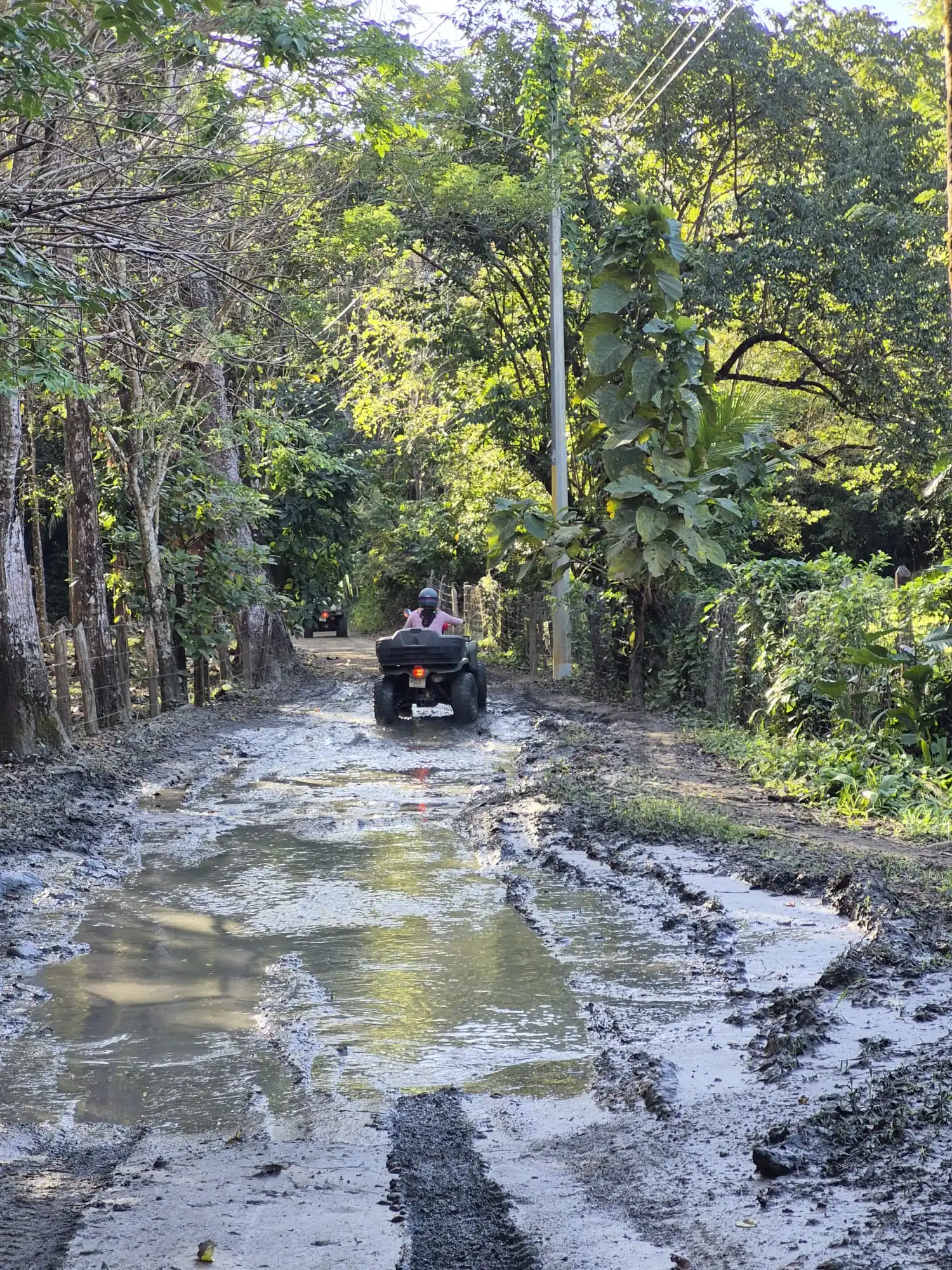
The Quad Adventure Tour: In my opinion, an ATV tour is one of the absolute best ways to explore the Nicoya Peninsula’s rugged backcountry, hidden beaches, and jungle trails. Local operators offer controlled, family-friendly guided excursions that cater to all skill levels. To drive, you just need a valid physical driver's license and passport, and children must be at least 5 years old to ride as passengers.
The Turtle Night Walk: This was an incredible wildlife experience that gave us the chance to see Olive Ridley, Leatherback, and Black sea turtles coming ashore to nest. Because the main swimming beach in Sámara is too busy for nesting, our guide picked us up and drove us 30 minutes south to a protected sanctuary at Playa Camaronal. We walked along the dark beach with a certified guide using specialized red lights so as not to disorient the animals. We had the unforgettable opportunity to see nesting mothers, turtle eggs, and tiny baby turtles heading for the water.
Driving Tips for this Leg
Conquer the Road Early: We kept our rule of leaving by 8:00 AM. This got us past the busy transit hubs of Caldera and Puntarenas well before midday traffic, allowing us to arrive in Sámara right in time for an afternoon swim. To ensure a smooth trip, we avoided mountain shortcuts and stuck strictly to the major highways.
Best Halfway Stop: We stopped at “Limonal” (about 2.5 hours into the drive) right along Route 1. We found a great local café where we could stretch, grab fresh fruit smoothies, and spot wild scarlet macaws nesting in the trees surrounding the rest stop.
Heading Home: Our Final Day & Journey to Liberia
For our final night, we drove back toward the airport area and stayed at the Hampton by Hilton Guanacaste Airport Hotel, as our direct flight back to Vancouver was the following morning.
The final leg of our journey from Sámara to Liberia Airport (LIR) was a straightforward, completely paved, and well-maintained 1.5 to 2-hour drive (around 115 km), making it by far the easiest and most relaxing drive of our entire trip. Since the drive was short, we didn't need a formal rest stop, but we still wanted to make the most of our final day by enjoying a few fantastic spots along the way:
Matambú Indigenous Reserve: Located near Nicoya just off Route 150, this is the only indigenous territory of the Chorotega people. It was a highly educational and fun stop where we tried our hand at making traditional pottery using local clay and ancient techniques.
Playa Hermosa detour: To sneak in one last beach afternoon, we took a 25-minute detour north of the airport to Playa Hermosa. It was far superior for our kids compared to the overcrowded beaches closer to the main highway route. It features a calm, protected grey-sand bay with almost no waves and is lined with large, mature trees that provided plenty of natural shade to keep us cool.
Final Airport & Rental Tips
Refueling Your Rental: Make sure to top up your gas tank in the city of Liberia or at the gas stations located right on Route 21 just before the airport entrance, as rental agencies charge premium rates if returned empty.
Timing Your Arrival: Liberia Airport is efficient but can get very busy with families. Aim to arrive at the rental car drop-off lot at least 3 hours before your scheduled international flight to allow plenty of time for shuttle transfers to the main terminal.
Keep Snacks Handy: Food options inside the LIR terminal gates can be expensive with long lines. Grab some fresh pastries or fruit in Nicoya or Liberia to keep everybody happy during check-in.
________________________________________
Retrospective: Insider Advice for Planning Your Trip
Looking back on our incredible journey, here are the most important takeaways for anyone planning a similar mid-range family vacation to Costa Rica:
1. Booking & Weather Strategy
Lock in National Park Tickets Early: The government strictly limits daily visitors to fragile ecosystems. Spaces for Manuel Antonio and the Monteverde Cloud Forest Reserve sell out weeks in advance, especially during the peak seasons.
The "Green Season" Sweet Spot: If your dates are flexible, aiming for the shoulder or low season means the landscape is vibrant and green from the rains, but prices are significantly lower than peak rates.
Weather Realism: While the Pacific coast often clears up beautifully even in the low season, the cloud forests and mountain regions can experience heavy, passing downpours. A high-quality rain jacket is absolutely non-negotiable.
2. Demystifying Car Rental Insurance
This is where most mid-range travelers accidentally ruin their vacation budget. Costa Rican law mandates a specific insurance structure that must be handled correctly to avoid an expensive surprise at the airport counter:
Mandatory Third-Party Liability (TPL / SLC): This is required by Costa Rican law, and covers third-party damage. It cannot be waived by any credit card insurance, and usually adds $15 to $30 USD per day to the base rate shown online.
Collision Damage Waiver (CDW): This covers damage to the vehicle itself. Fortunately, many premium credit cards cover this feature.
The Physical Letter Requirement: If you plan to rely on your credit card’s CDW to save money, you must bring a printed, official letter from your credit card company explicitly stating you have worldwide coverage inclusive of Costa Rica. Without this physical document, the rental agency will force you to purchase their in-house CDW, effectively doubling the cost of your rental.
3. Expert Logistics & Navigation Advice
The Holiday Traffic Buffer: The pick-season brings a heavy surge of locals and tourists onto the roads. While the main Interamerican Highway (Route 1) is excellent, secondary roads clog quickly. It is always wise to add a 30-minute buffer to any GPS estimate.
Waze Dominance: While Google Maps works well, Waze is the undisputed king of navigation in Costa Rica. It features real-time, crowdsourced data for potholes, sudden river rises, wildlife crossings, and traffic checkpoints. Be sure to download your offline maps before leaving the Liberia airport terminal.
Daylight Driving Only: Sunset in Costa Rica occurs consistently around 5:30 PM year-round. Because rural and mountain roads completely lack streetlights, lane markings, and guardrails, and pedestrians or livestock frequently walk on the shoulders, you should plan all transit legs strictly during daylight hours.
Utilizing the "Guachimán": When parking at public beaches or restaurants in Sámara or La Fortuna, you will encounter local car guards known as “guachimanes”. It is customary to utilize them and offer a small tip ($2–$3 USD) upon return. However, you should still never leave luggage or valuables visible in the vehicle, even for a quick five-minute photo stop.
Pre-Vetted Rental Providers: To ensure a transparent experience, steer completely clear of third-party discount booking sites, which frequently hide local mandatory fees. Instead, book directly with highly rated local favorites, or trusted international franchises on ground in Liberia.
4. Financial & Currency Nuances
Mid-range travelers frequently lose money to poor exchange rates or foreign transaction fees. Navigating the local economy efficiently requires keeping a few rules in mind:
The Dual-Currency Reality: Both US Dollars ($ USD) and Costa Rican Colones (₡ CRC) are accepted everywhere. However, you should always pay for smaller items like snacks, soda meals, or beach parking in Colones. If you pay in USD, local merchants will set their own arbitrary exchange rates, costing you a few extra dollars per transaction.
The Cash and Change Rule: When you pay in USD, you will almost always receive your change in Colones. Always carry crisp, un-torn $10 and $20 USD bills; local businesses and banks will outright reject foreign currency with even microscopic rips or pen markings.
Say No to Airport Kiosks: Never exchange money at the Liberia Airport currency kiosks, as they offer the worst rates in the country. Instead, simply pull Colones directly from a secure bank ATM (such as BCR or Banco Nacional) once you arrive in town.
5. Technology & Connectivity
Ditch International Roaming Plans: Major international carriers often charge $10 to $15 USD per day for data roaming, which adds up fast over a multi-week vacation. Instead, download an eSIM prior to departure via apps, or pick up a local physical SIM card (from Claro or Liberty) at the airport. It costs around $20 USD for two weeks and provides vastly superior local network coverage.
Download WhatsApp: This is the universal communication tool across Costa Rica. Tour operators, boutique hotels, restaurants, and even emergency services use WhatsApp exclusively. Ensure you have it installed and verified before landing.
6. Health, Safety, and Comfort
Safe Tap Water: Unlike many Central American destinations, the tap water in the main destinations on this loop (La Fortuna, Sámara, and Rincón) is completely safe to drink. Bring insulated, reusable water bottles to stay hydrated while saving money and eliminating single-use plastics.
Smart Bug Prevention: Costa Rican mosquitoes can be relentless. Regular bug spray is essential, but for hiking in humid regions like Rincón or Arenal, prioritize Picaridin-based sprays or clothing pre-treated with permethrin. Picaridin is highly effective and will not melt or damage technical fabrics and camera gear the way heavy DEET sprays can.
Intense Equatorial Sun: Guanacaste sits very close to the equator, meaning sunburns happen fast even on overcast days. Pack high-SPF, reef-safe sunscreen, as standard chemical sunscreens are increasingly banned or restricted in marine protected areas like Sámara to protect the fragile coral reef ecosystem.
7. Cultural Etiquette & Communication
Embracing "Pura Vida": This is not just a marketing slogan; it is a greeting, a farewell, an expression of gratitude, and a way of life. Saying it back to locals instantly builds warm rapport and mutual respect.
Tipping Culture Demystified: A 10% service charge is legally included in every restaurant bill (typically listed as servicio). While tipping extra is not mandatory, adding an additional 5–10% cash tip for excellent service at mid-range spots is highly appreciated. For professional tour guides, a tip of $10–$20 USD per day is standard practice.
The Ultimate "Two-Microclimate" Packing Checklist
Costa Rica’s weather is highly localized. This capsule wardrobe ensures you are completely prepared for both the warm, dry coast of Guanacaste and the cool, humid rainforests of Arenal and Monteverde.
For the Rainforest, Clouds, & Volcanoes
Lightweight rain jacket: Must be breathable and high-quality for sudden tropical downpours.
Sturdy trail shoes: Hiking sneakers with deep rubber grip for slick, muddy mountain paths.
Moisture-wicking activewear: Synthetic fabrics that dry rapidly in high-humidity zones.
Picaridin-based bug spray: Superior protection that keeps your camera gear and clothing safe.
Lightweight fleece or sweater: Essential for the cool, breezy cloud forest evenings.
For the Coast (Sámara & Carrillo)
Reef-safe sunscreen: Protects local marine life and complies with local protected area rules.
Waterproof dry bag: Essential for keeping cameras, phones, and vehicle keys bone-dry during boat, kayak, and surf tours.
Insulated water bottle: Keeps tap water ice-cold on hot beach days.
Polarized sunglasses & wide-brimmed hat: Vital shields against intense equatorial UV rays.
Quick-dry beach towel & water shoes: Perfect for exploring rocky tidal coves.
Essential Travel Documents
Printed CDW credit card letter: Your physical proof of insurance to avoid rental counter upcharges.
Pristine cash bills: Unmarred $10 and $20 USD bills for hassle-free tipping and roadside fruit purchases.
Valid Driver’s License: Your standard home country driver's license is fully valid for driving in Costa Rica for up to 3 months.
Essential Checklist for the Dashboard
Check the Pump Zeroed Out: Before the pump attendant starts fueling at La Bomba, look out your window to verify that the digital pump meter has been reset completely to 0.00.
The Single Flash Warning: If an oncoming vehicle flashes its high beams at you once or twice during the day, it is a universal local courtesy warning. It means there is a traffic police radar checkpoint, a major landslide, a broken-down vehicle, or an animal hazard on the road immediately ahead. Slow down and proceed with extreme caution.
Accident Protocol: Costa Rican law dictates that if you are involved in a motor vehicle accident, you must not move your car under any circumstances, even if it is completely blocking a lane of traffic. Turn on your hazard lights, call emergency services and your rental agency immediately, and wait for a Tránsito officer to arrive and sketch the scene. Moving the car prior to their arrival can invalidate your insurance coverage.